Hi3R-VLA
Grounding Semantics and Actions in 3D
Inria, École normale supérieure, CNRS, PSL Research University
Paper (coming soon)
arXiv (coming soon)
Code (coming soon)
Grounding Semantics and Actions in 3D
Inria, École normale supérieure, CNRS, PSL Research University
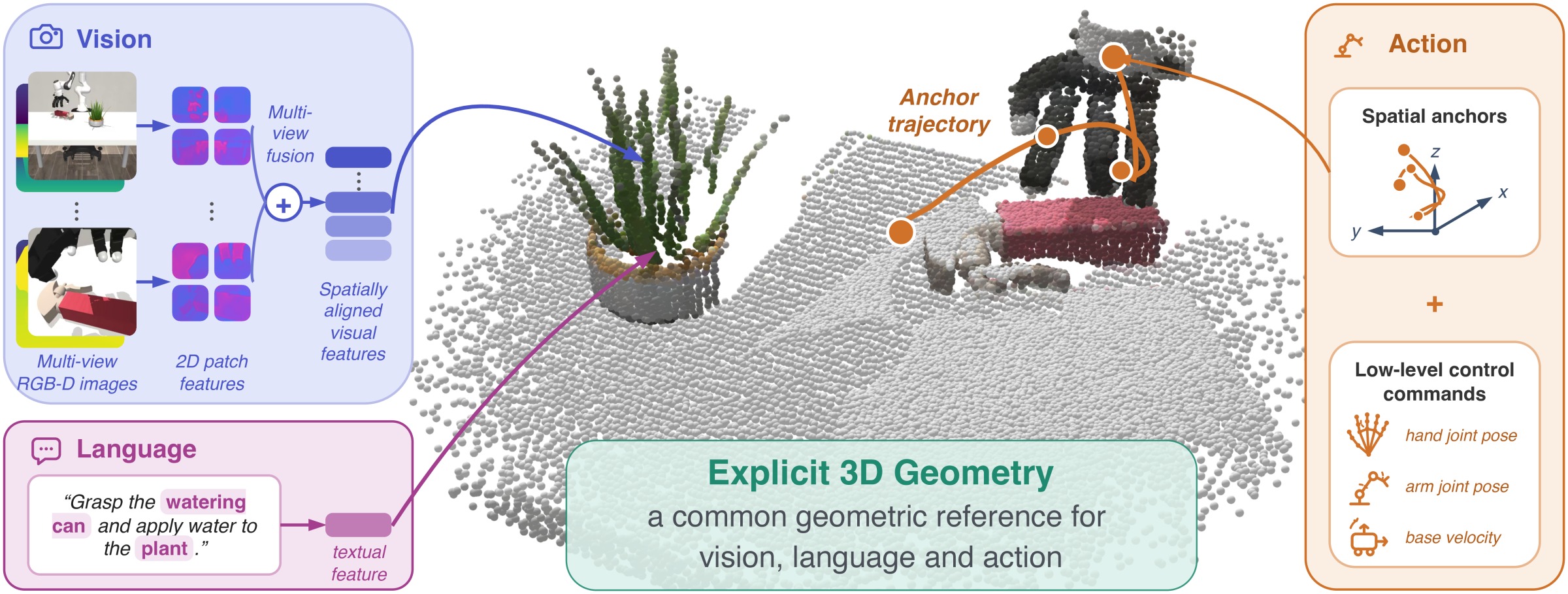
TL;DR Hi3R-VLA uses one explicit 3D point representation as the common reference for perception and action: image and language features are fused into the points, and actions are anchored in the same frame. With fewer than 250M trainable parameters, it reaches state-of-the-art results on five simulation benchmarks and works on a real robot.
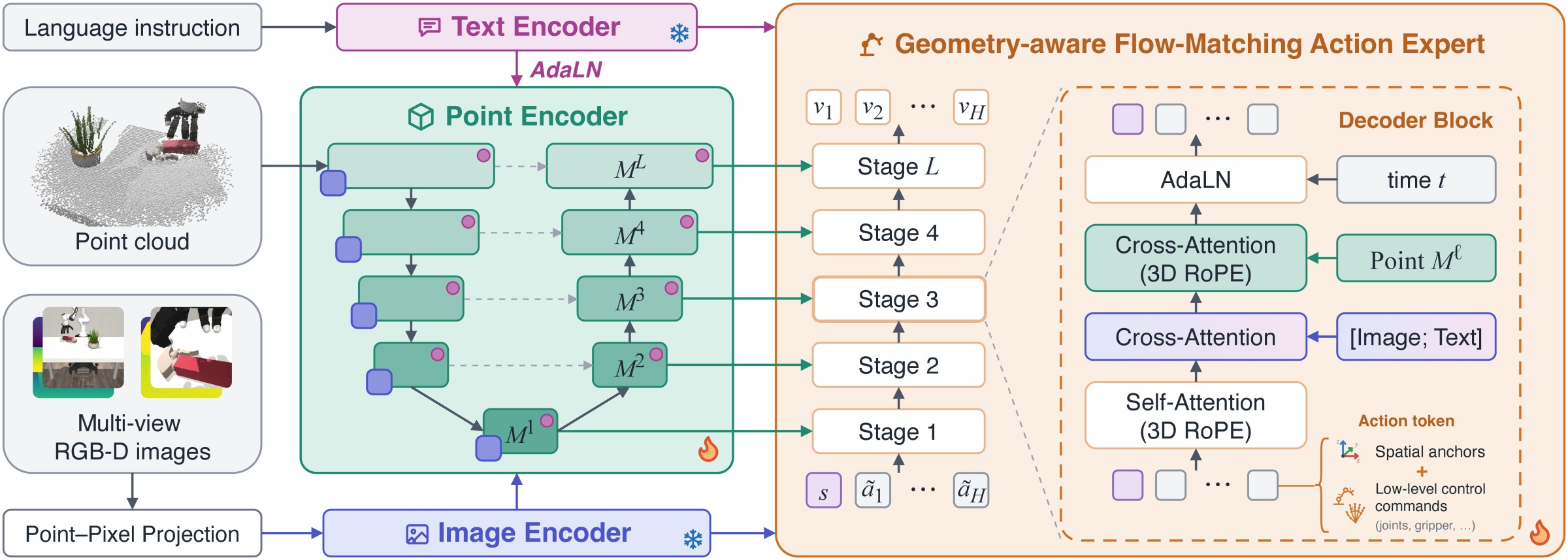
Spatially aligned multi-view image features are fused into the point encoder at every stage, and the instruction modulates the point features through adaptive layer normalization.
Spatial anchors add 3D end-effector positions to any action representation, so 3D RoPE can relate action targets to observed points in a coarse-to-fine action-to-point attention.
Under 250M trainable parameters, over 10× fewer than π0.5, across single-arm and bimanual grippers, dexterous hands and a real UR5.
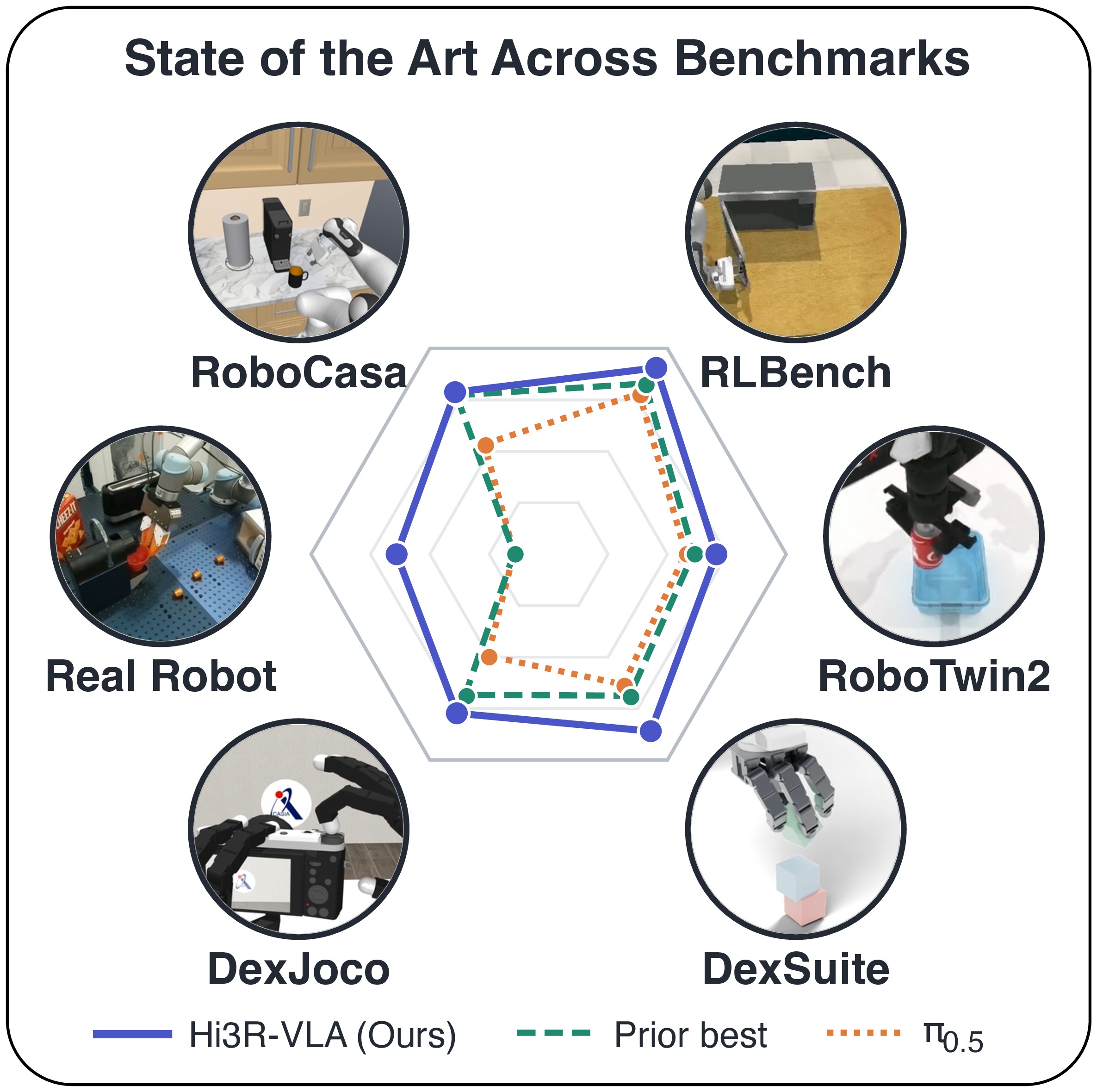
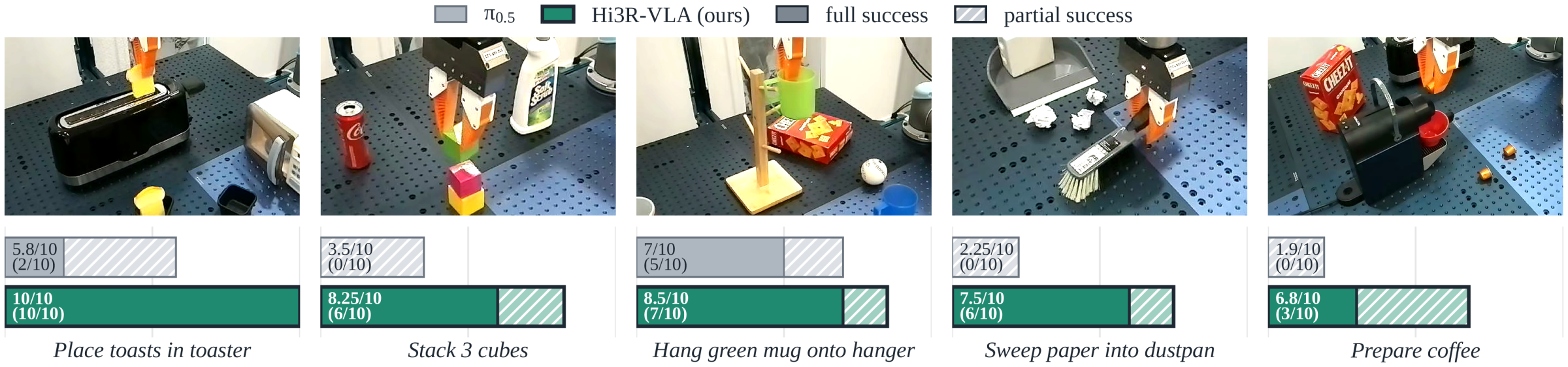
While recent vision-language-action (VLA) models increasingly incorporate 3D geometry, how to effectively exploit it for precise and generalizable action prediction remains a central challenge. We introduce Hi3R-VLA, a 3D policy that grounds Heterogeneous modalities — vision, language, and action — in explicit 3D geometry for robotic manipulation. Our model integrates spatially-aligned visual features and language conditioning into point cloud representations, enriching scene geometry with fine-grained, task-relevant semantics. It then anchors low-level control commands in the same 3D coordinate frame and uses 3D-RoPE enhanced action-to-point attention over coarse-to-fine point features to model geometric relationships between action targets and observed points. Our analysis demonstrates the importance of semantic fusion within 3D and spatial alignment between observations and actions. With fewer than 250M trainable parameters, Hi3R-VLA achieves state-of-the-art performance on RoboCasa, RLBench, RoboTwin2, DexJoCo and DexSuite across diverse manipulation tasks and embodiments, from single-arm and dual-arm grippers to dexterous hands. Real-robot evaluations further demonstrate its effectiveness in the physical world. We will release the model, code and dataset.
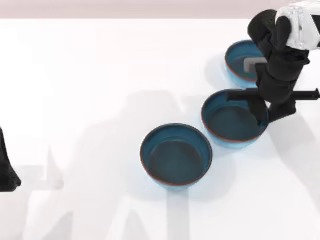
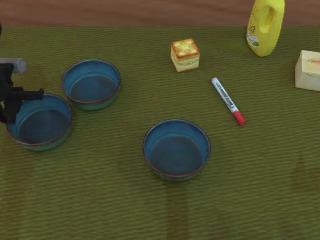
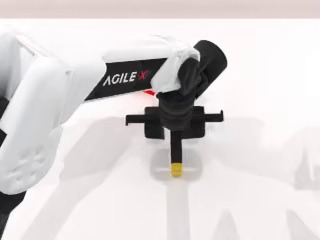
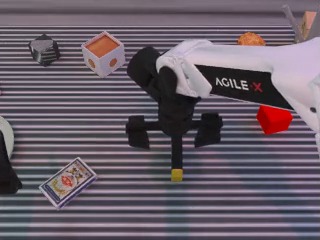
Real-robot rollouts replayed in 3D: the point cloud given to Hi3R-VLA at each policy query and the action chunk it predicted (the end-effector path of the next ~1 s). Drag to orbit, scroll to zoom, scrub or play the timeline.
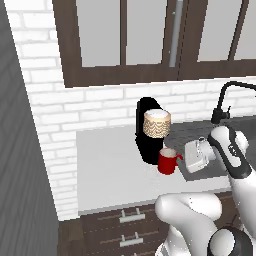
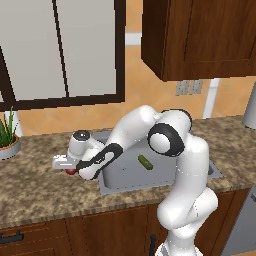
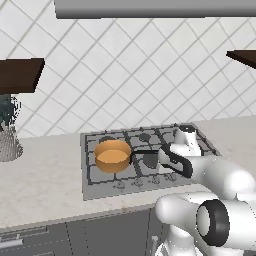
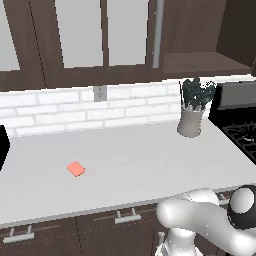
Hi3R-VLA is pretrained on DROID and fine-tuned on each benchmark. Size is the number of trainable parameters.
24 kitchen tasks, 50 demonstrations per task; 50 episodes per task and seed, 3 seeds.
| Model | Size | Demos / task | Avg SR (%) |
|---|---|---|---|
| 2D-based policies | |||
| GR00T-N1 | 2.2B | 300 | 49.6 |
| π0 | 3.1B | 300 | 62.5 |
| GR00T-N1.5 | 2.7B | 300 | 64.1 |
| Video Policy | >1.5B | 300 | 66.0 |
| GR00T-N1.5 + HAMLET | >2.7B | 300 | 66.4 |
| π0.5 | 3.2B | 50 | 52.9 |
| Cosmos Policy | 2B | 50 | 67.1 |
| 3D-aware policies | |||
| FP3 | 1.3B | 50 | 42.9±0.7 |
| π0.5 + Pri4R | >3.2B | 50 | 57.0 |
| π0.5 + GeoVLA | >3.2B | 50 | 57.4±1.4 |
| π0.5 + PointVLA | >3.2B | 50 | 58.0±0.7 |
| π0.5 + SeeR-VLA | >3.2B | 50 | 61.5±1.2 |
| SA-WAM | 2B | 50 | 76.6±0.5 |
| Hi3R-VLA (ours) | 0.25B | 50 | 78.8±0.8 |
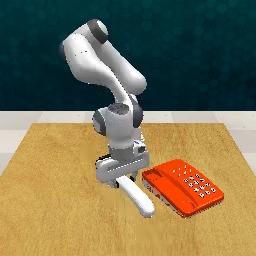
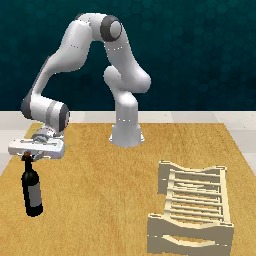
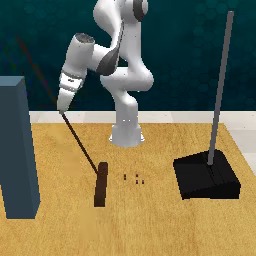
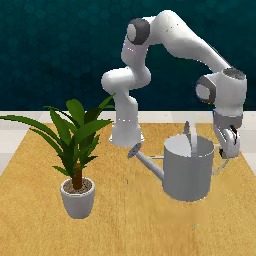
10 tabletop tasks with keystep actions, novel object placements and distractors; 100 demonstrations per task, 100 episodes per task and seed, 3 seeds.
| Method | Size | Avg SR (%) |
|---|---|---|
| 2D-based policies | ||
| ManipLLM | 7B | 38.0 |
| OpenVLA | 7B | 41.0 |
| π0 | 3.1B | 55.0 |
| CogACT | 7B | 60.0 |
| EO-1 | 3B | 73.2 |
| HybridVLA | 7B | 74.0 |
| π0.5 | 3.2B | 77.4±0.4 |
| 3D-based policies | ||
| Act3D | 1.7M | 64.5 |
| PointACT | 0.3B | 82.3 |
| Hi3R-VLA (ours) | 0.25B | 90.6±0.3 |
50 bimanual tasks, 50 clean demonstrations per task; 100 episodes per task in clean and randomized (background, lighting, table height, distractors, unseen instructions) environments.
| Method | Size | Clean → clean | Clean → randomized | Avg |
|---|---|---|---|---|
| 2D-based policies | ||||
| Fast-WAM | 6B | 77.8 | 1.9 | 39.8 |
| Xiaomi-Robotics-0 | 4.7B | 62.9 | 18.2 | 40.5 |
| ABot-M0 | 4.2B | 57.4 | 30.4 | 43.9 |
| X-VLA | 0.9B | 68.0 | 20.9 | 44.5 |
| Cosmos3-Nano | 16B | 77.1 | 22.5 | 49.8 |
| LingBot-VA | 5.3B | 80.7 | 34.6 | 57.7 |
| π0.5 | 3.2B | 70.7 | 46.0 | 58.3 |
| 3D-aware policies | ||||
| X-WAM | >5B | 70.0 | 25.8 | 47.9 |
| SpatialForcing | 3.2B | 77.2 | 26.7 | 52.0 |
| 4D-WAM | 5.3B | 81.5 | 41.8 | 61.6 |
| Hi3R-VLA (ours) | 0.25B | 90.1 | 50.5 | 70.3 |
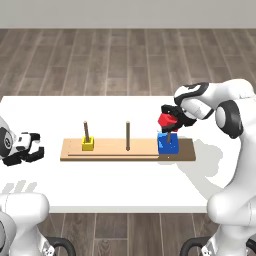
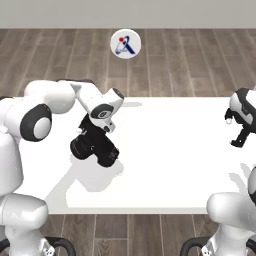
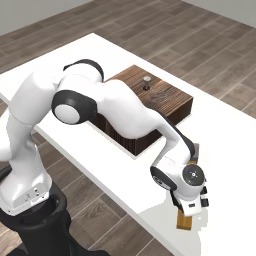
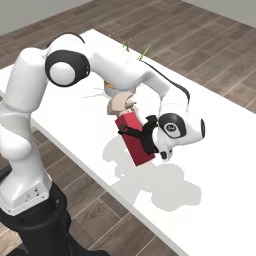
10 tasks with Allegro dexterous hands (6 single-arm, 4 bimanual); 50 episodes per task and seed, 3 seeds. Success rate (%).
| Method | Size | Single-arm | Bimanual | All |
|---|---|---|---|---|
| 2D-based policies | ||||
| DP-T | 0.1B | 38.3±2.3 | 20.0±2.3 | 31.0±1.7 |
| π0.5 | 3.2B | 70.3±2.2 | 19.5±3.3 | 50.0±1.9 |
| GR00T N1.6 | 3B | 66.8±2.3 | 43.0±2.7 | 57.3±1.8 |
| FastWAM | 6B | 59.1±1.8 | 43.5±2.4 | 52.9±1.5 |
| 3D-based policies | ||||
| PointACT | 0.3B | 43.1±2.6 | 19.5±2.4 | 33.7±1.8 |
| PointWAM | 1.2B | 82.2±1.5 | 49.1±2.8 | 69.0±2.0 |
| Hi3R-VLA (ours) | 0.25B | 86.2±2.7 | 64.0±2.4 | 77.3±1.4 |
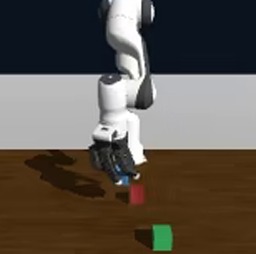
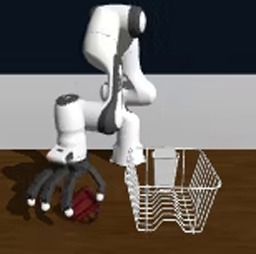
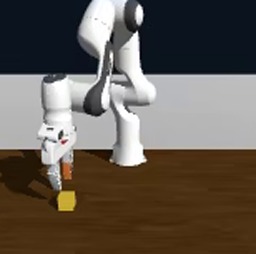
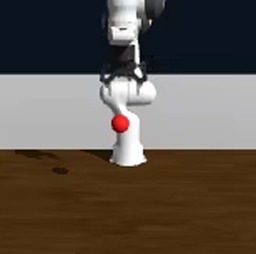
One multi-task policy over 3 embodiments and 14 task–embodiment pairs (parallel-jaw grippers and Allegro hands), 50 demonstrations each; 50 episodes per pair and seed, 3 seeds. Success rate (%).
| Method | Size | Gripper (5) | Allegro (9) | Avg (14) |
|---|---|---|---|---|
| Single-task policies | ||||
| ACT | 62M | 53.2±1.9 | 48.9±1.5 | 50.4±1.2 |
| DP | 79M | 42.8±2.5 | 44.3±2.5 | 43.8±1.8 |
| Multi-task multi-robot policies | ||||
| π0 | 3.1B | 68.3±2.8 | 70.1±1.4 | 69.4±0.9 |
| π0.5 | 3.2B | 62.7±2.3 | 64.7±1.6 | 64.0±3.1 |
| Hi3R-VLA (ours) | 0.25B | 87.7±2.4 | 85.1±2.2 | 86.0±2.7 |
Controlled ablations on RoboCasa24; mean success rate over three seeds.
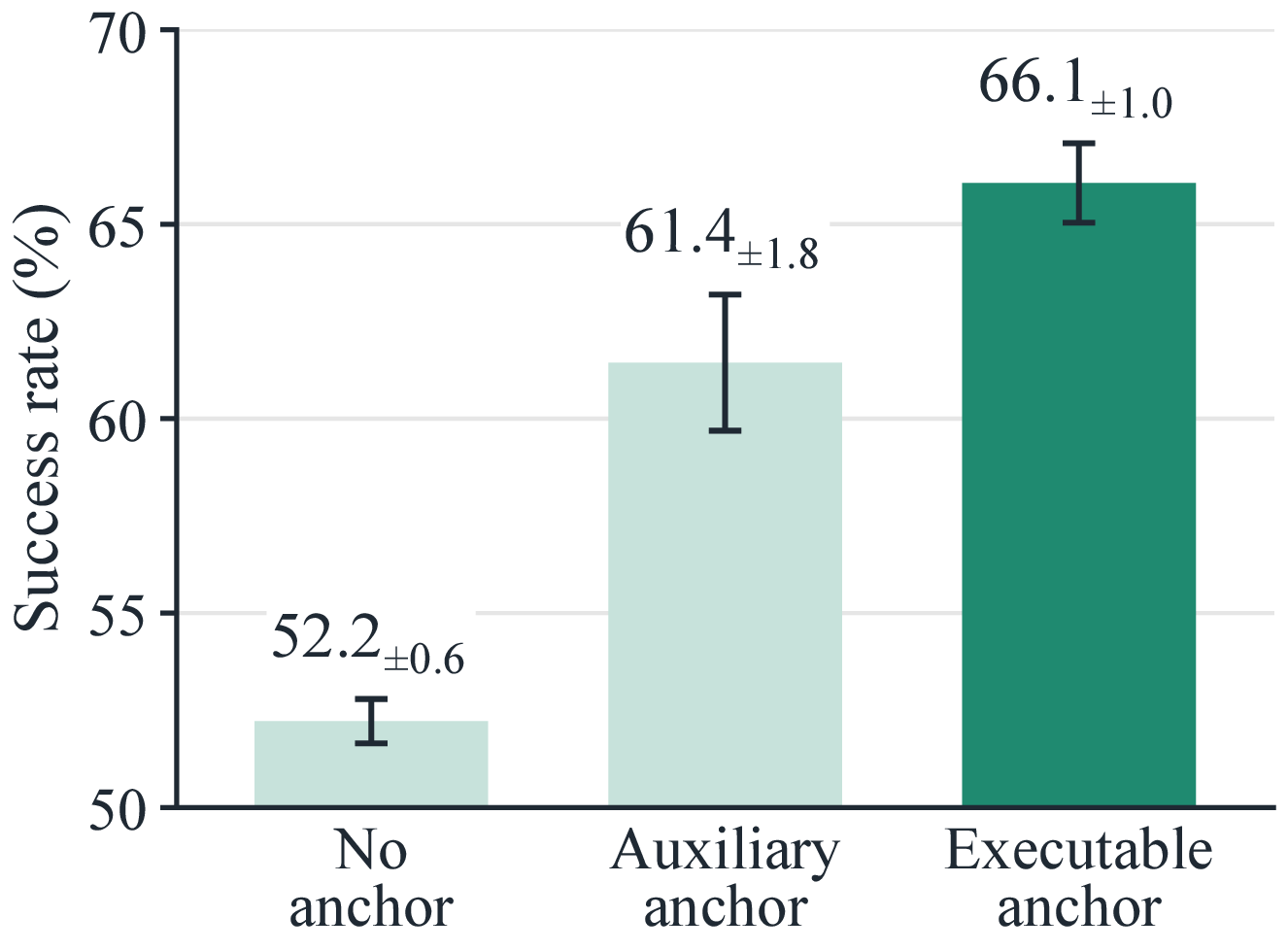
(a) Spatial anchor
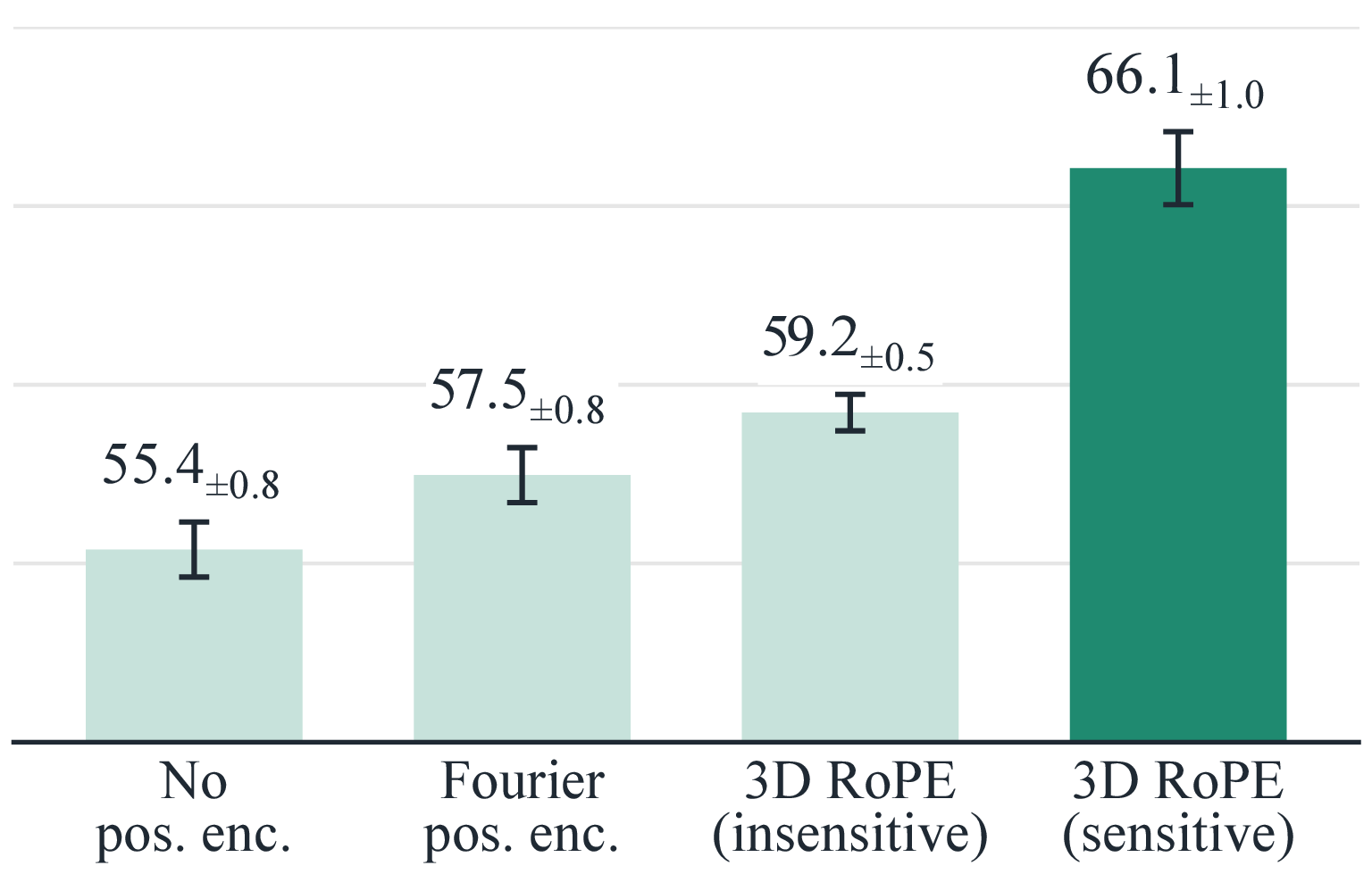
(b) 3D position encoding
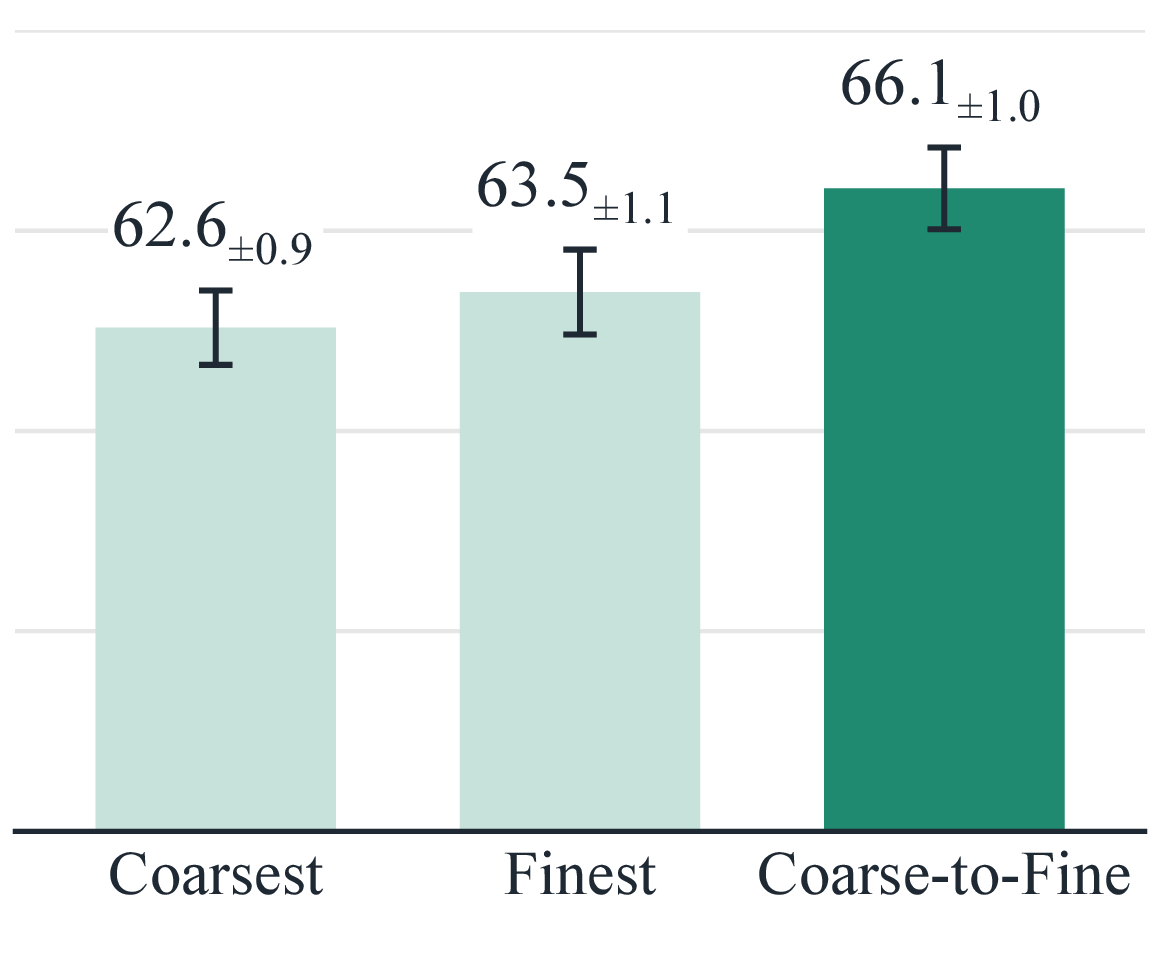
(c) Point features
| Point-text fusion | Point-image fusion | Action-image condition | SR (%) |
|---|---|---|---|
| ✗ | ✗ | ✗ | 57.6±0.8 |
| Cross-attn | ✗ | ✗ | 63.1±1.4 |
| AdaLN | ✗ | ✗ | 66.1±1.0 |
| AdaLN | Input | ✗ | 69.3±0.6 |
| AdaLN | All stages | ✗ | 71.9±0.9 |
| AdaLN | ✗ | ✓ | 67.9±0.2 |
| AdaLN | All stages | ✓ | 72.3±0.6 |
Fusing language into the points helps even though the action expert already sees the instruction, and AdaLN beats token-level cross-attention. Fusing image features into all point-encoder stages (+5.8) beats input-only fusion (+3.2) and makes direct image conditioning of the action expert almost redundant (+0.4).
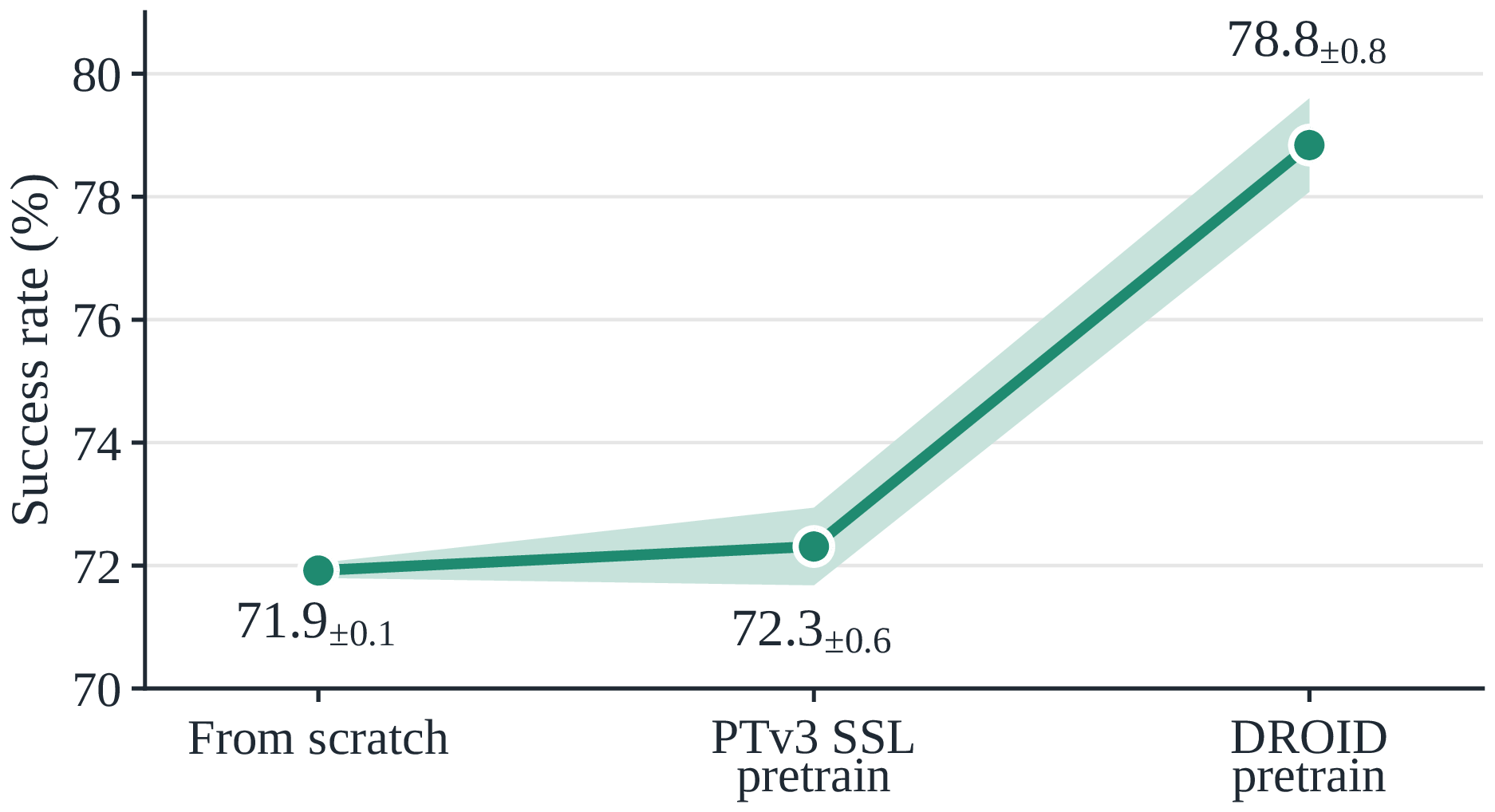
(a) Pretraining effect
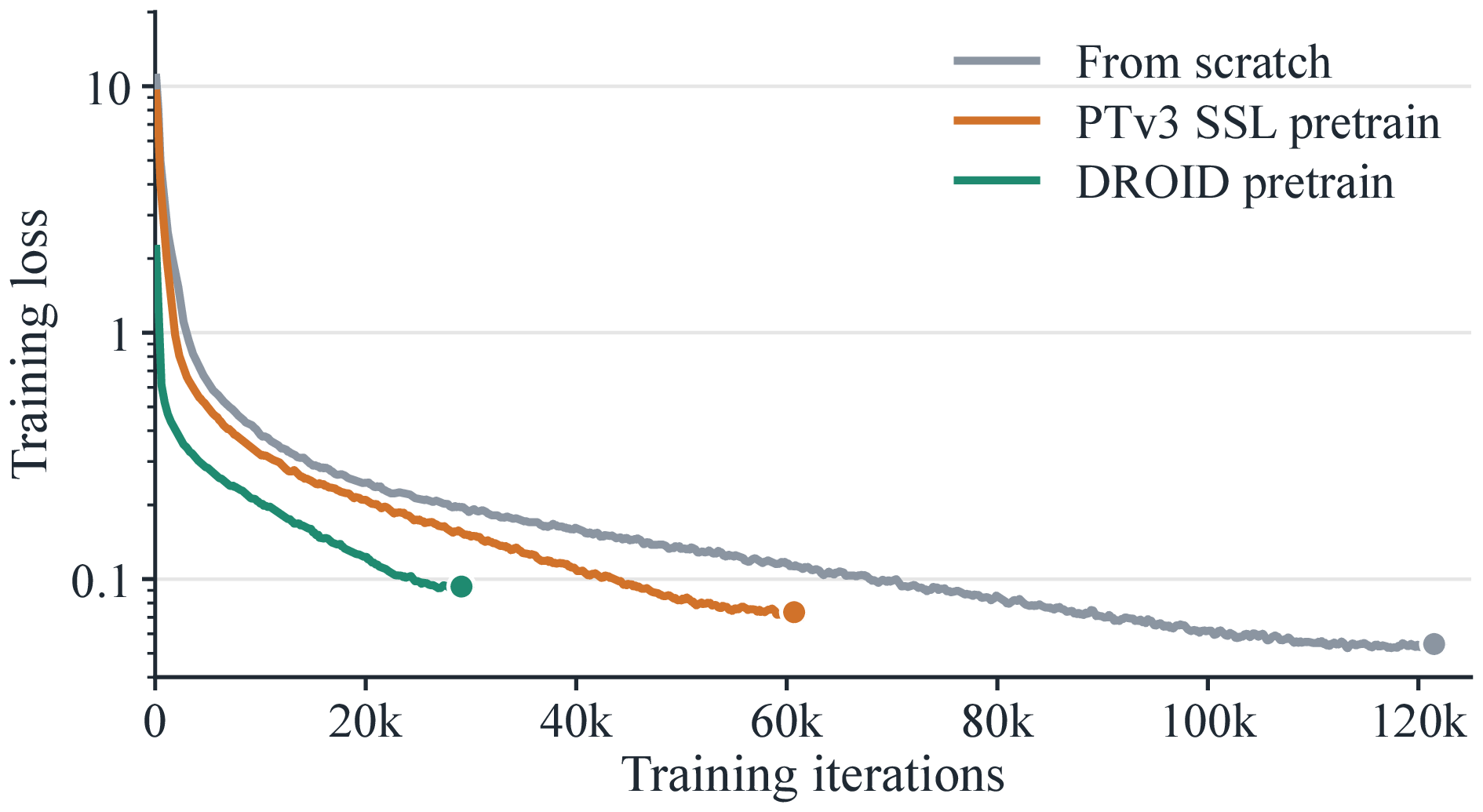
(b) Training loss
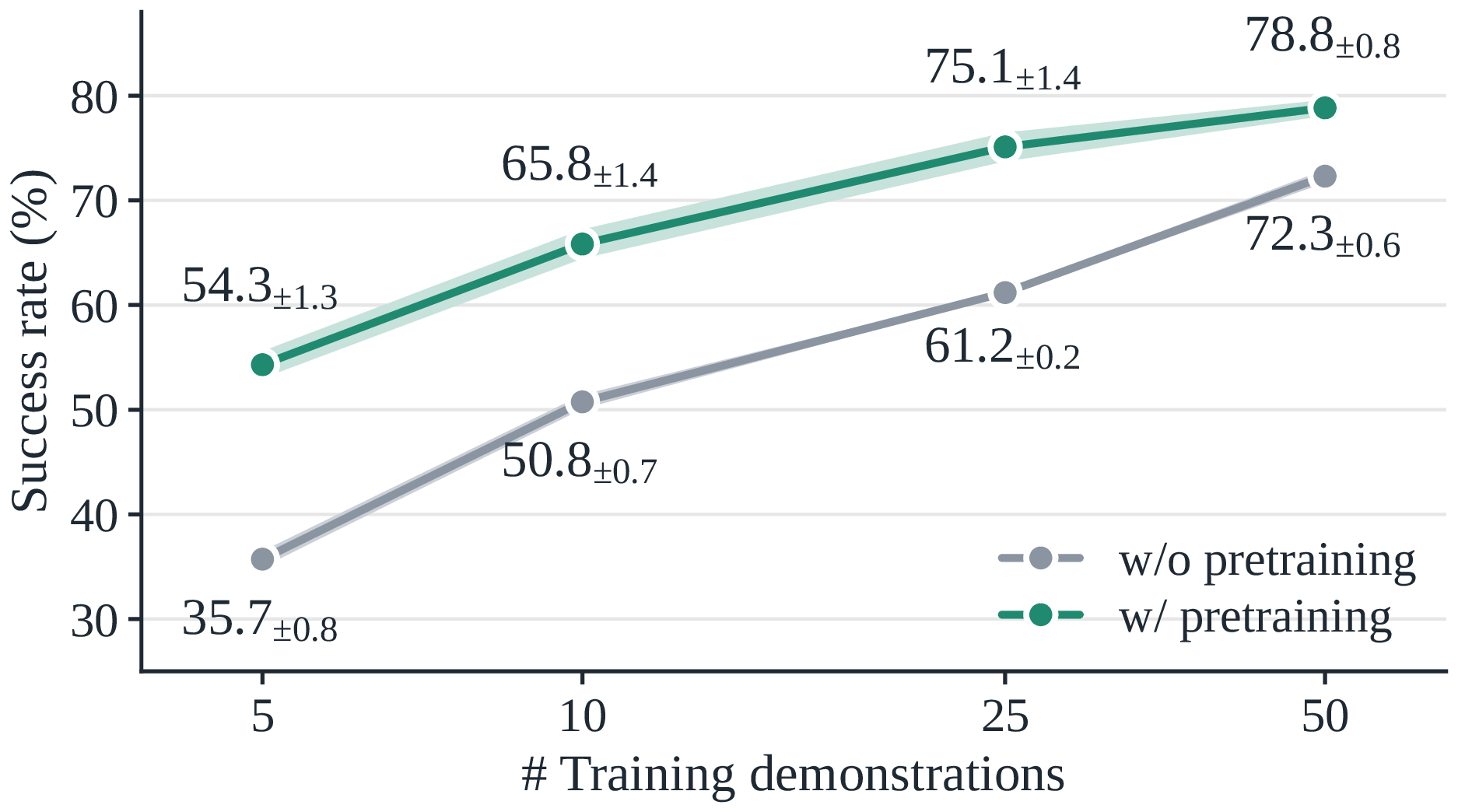
(c) Data efficiency
Effect of DROID pretraining across benchmarks. RoboTwin2 policies are trained on clean scenes and evaluated on clean or randomized scenes.
| Benchmark | From scratch | DROID pretrained | Gain (pp) |
|---|---|---|---|
| RoboCasa24 | 72.3±0.6 | 78.8±0.8 | +6.5 |
| RoboTwin2 · clean | 86.2 | 90.1 | +3.9 |
| RoboTwin2 · randomized | 33.4 | 50.5 | +17.1 |
| DexJoCo | 75.1±2.5 | 77.3±1.4 | +2.2 |
DROID pretraining helps on every benchmark. In the standard evaluations, the gain is largest on RoboCasa24, which shares DROID's robot embodiment, and smaller on RoboTwin2 (other gripper arms) and DexJoCo (dexterous hands). It is much larger in randomized, unseen RoboTwin2 scenes (+17.1), so diverse real-world data mainly improves generalization.
@misc{chen2026hi3rvla,
  title  = {Hi3R-VLA: Grounding Semantics and Actions in 3D},
  author = {Chen, Shizhe and Pacaud, Paul and Schmid, Cordelia},
  year   = {2026}
}